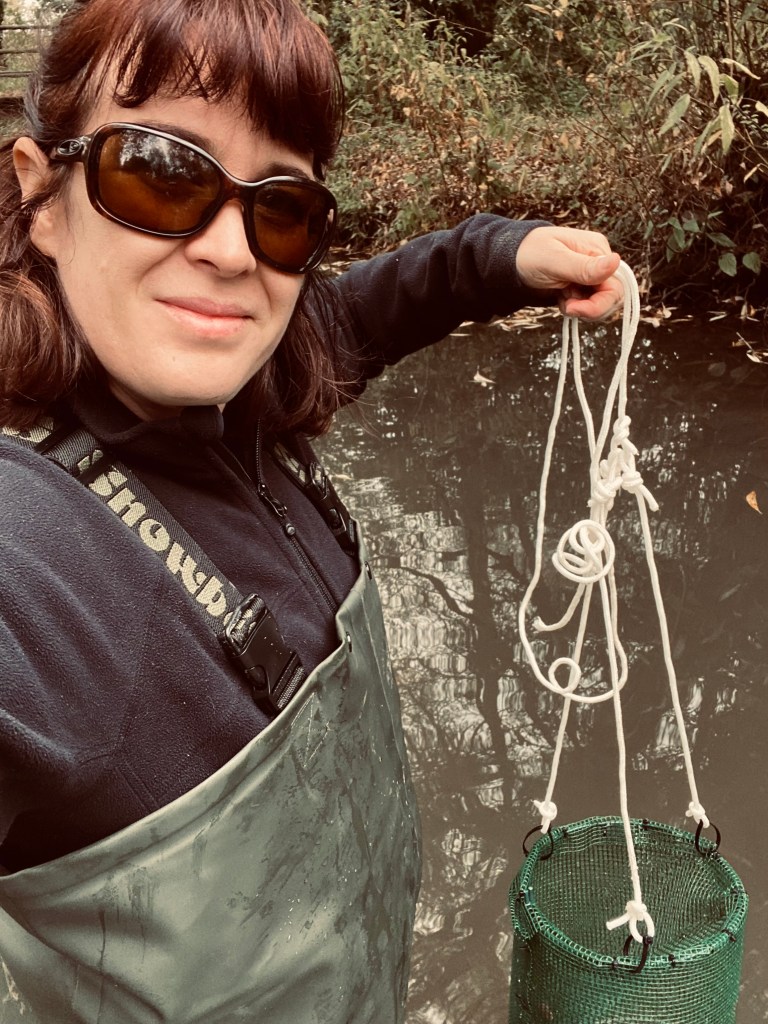
Cait Newport
Royal Society University Research Fellow
The focus of my research is to explore how visual landmarks are used by fish for navigation and whether sensory pollution reduces the efficiency of this fundamental behaviour. I am using a range of cutting-edge photogrammetry techniques and behavioural experiments in both the laboratory and field to answer these questions.
Doctoral candidates
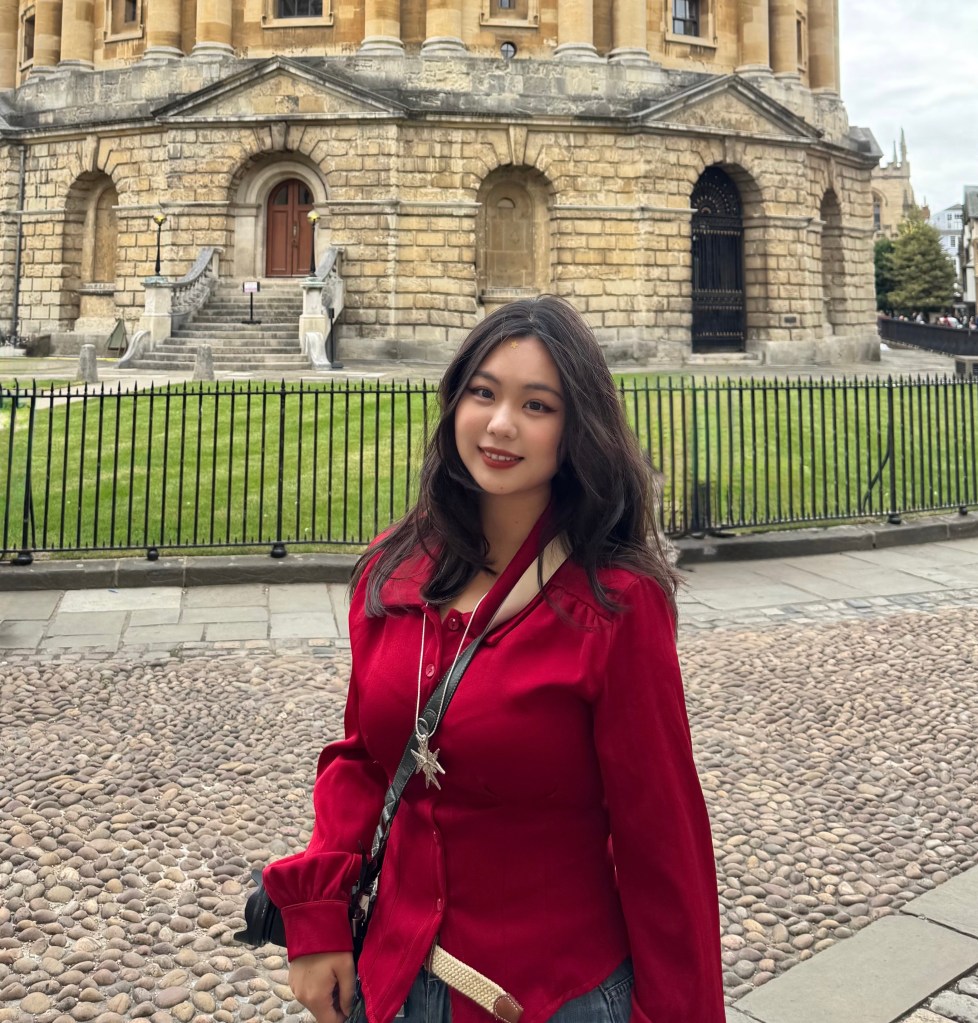
Raina Yu
Raina is developing automated, high-throughput experiments for zebrafish to test their use of optic flow during movement.
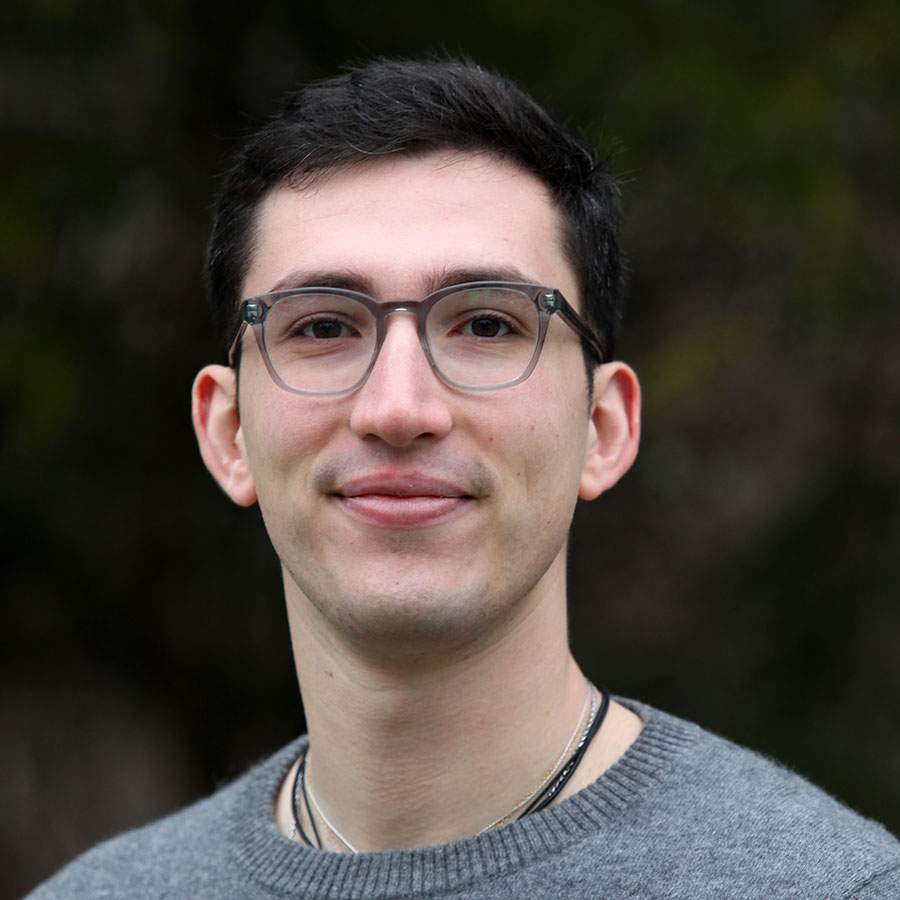
Henry Cerbone
Henry studies how organisms use visual and proto-visual cues to guide their behavior. His primary systems include Harris’s Hawks, waterlilies, and other organisms that rely on light for movement and decision-making. Broadly, he is interested in quantifying embodiment in organisms.
He also has ongoing interests in 3D reconstruction methods, particularly as tools for biodiversity monitoring and perception research. More generally, he develops computer vision approaches to support biology and expand how researchers study organisms in their environments.
Savanna Cohen
Sav is beginning a new project with the group testing how pharmaceutical pollution and ocean warming affects cat shark development.
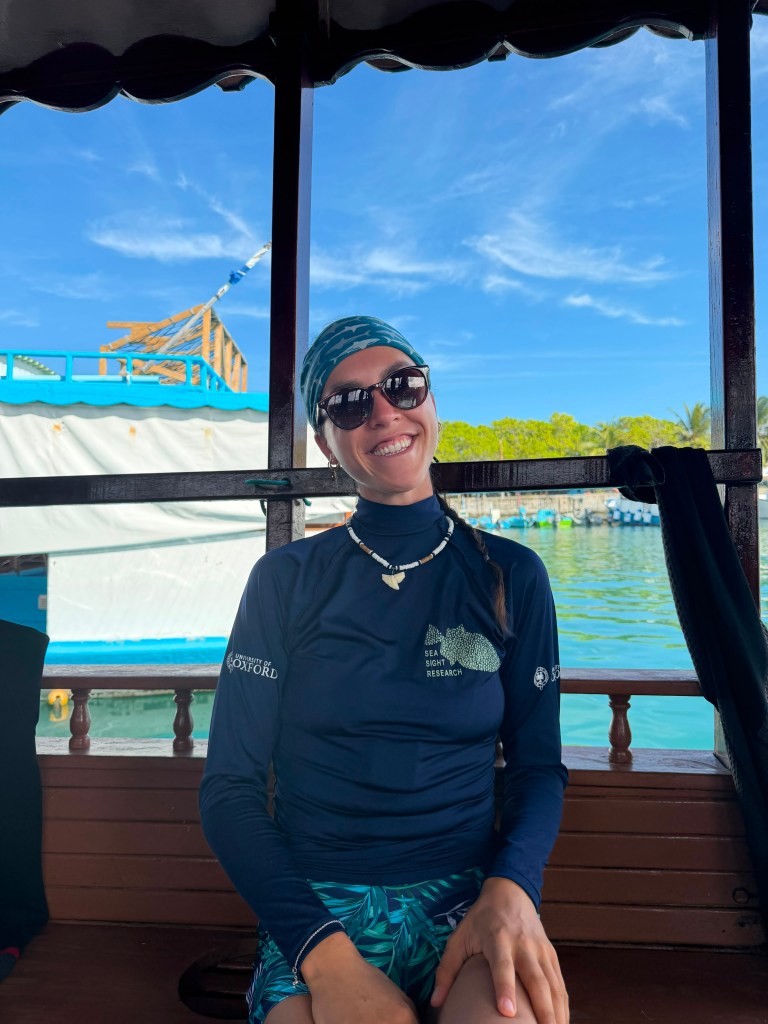
Tedi Yankov
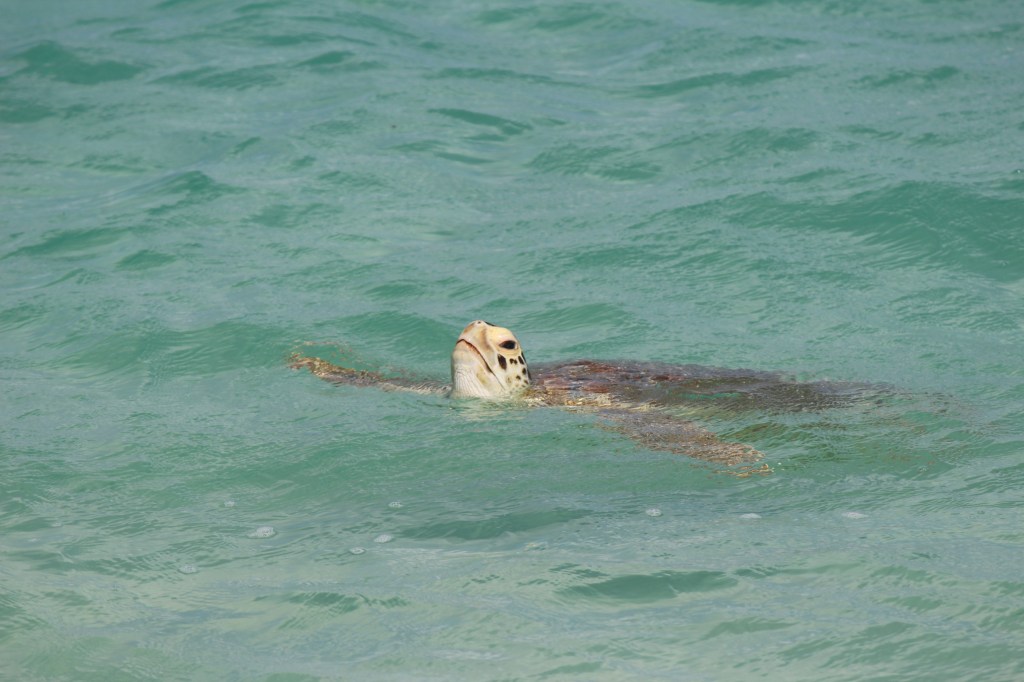
Tedi is researching computer vision and deep learning methods for marine wildlife re-identification, and exploring what new possibilities for behavioural ecology and conservation monitoring open up when we can reliably identify individual animals – like reef fish, seabirds and sea turtles – in complex marine environments. Tedi is a DPhil student on the Intelligent Earth CDT in AI for the Environment.
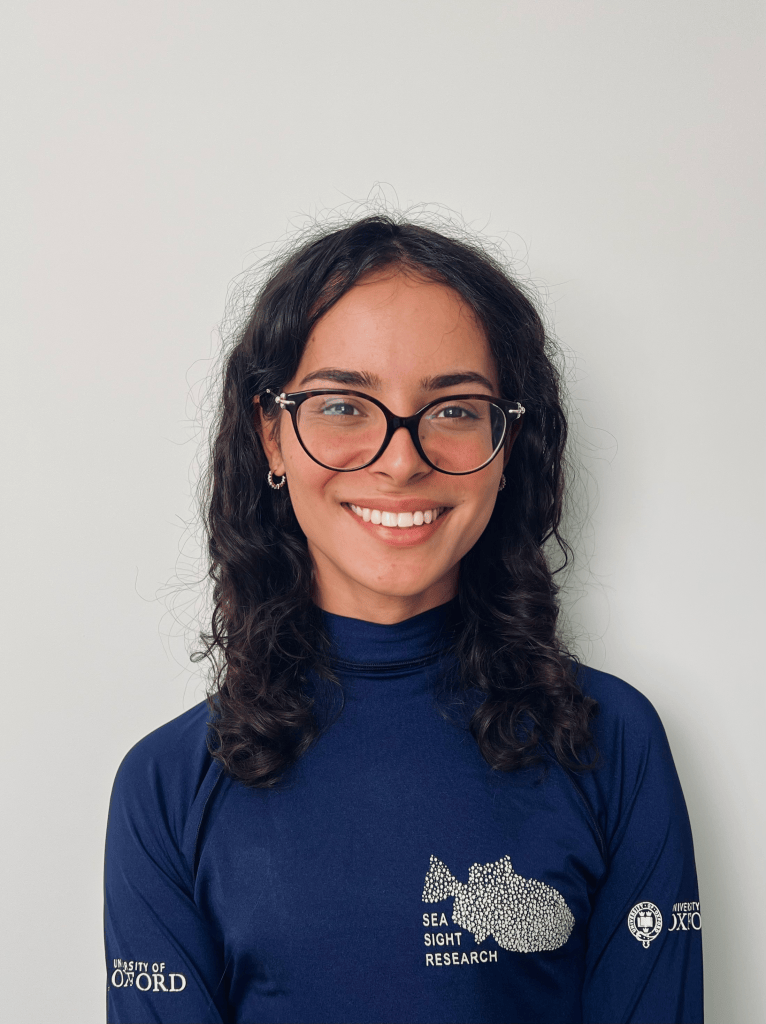
Alumni
- Anna Garcia (DPhil)
- Natalia Perez-Campanero (DPhil)
- Ellen Morley (MBiol)
- William Lunt (MBiol)
- Flora Clark (MBiol)
- Alana Brown (MBiol)
- Benjamin Sidebotham (Eng 4YP)
- Qianyi Wen (Eng 4YP)
Aquarium technicians
Helen Sanders
Allex Turner